
Common questions about hospice care
Answers to the questions people often ask us about hospice care, what it involves and how it can help.

Find the answers you need
These pages explain your options and what happens next.

Is hospice care right for me?
Find out who we support and how hospice care can help you live as well as possible.
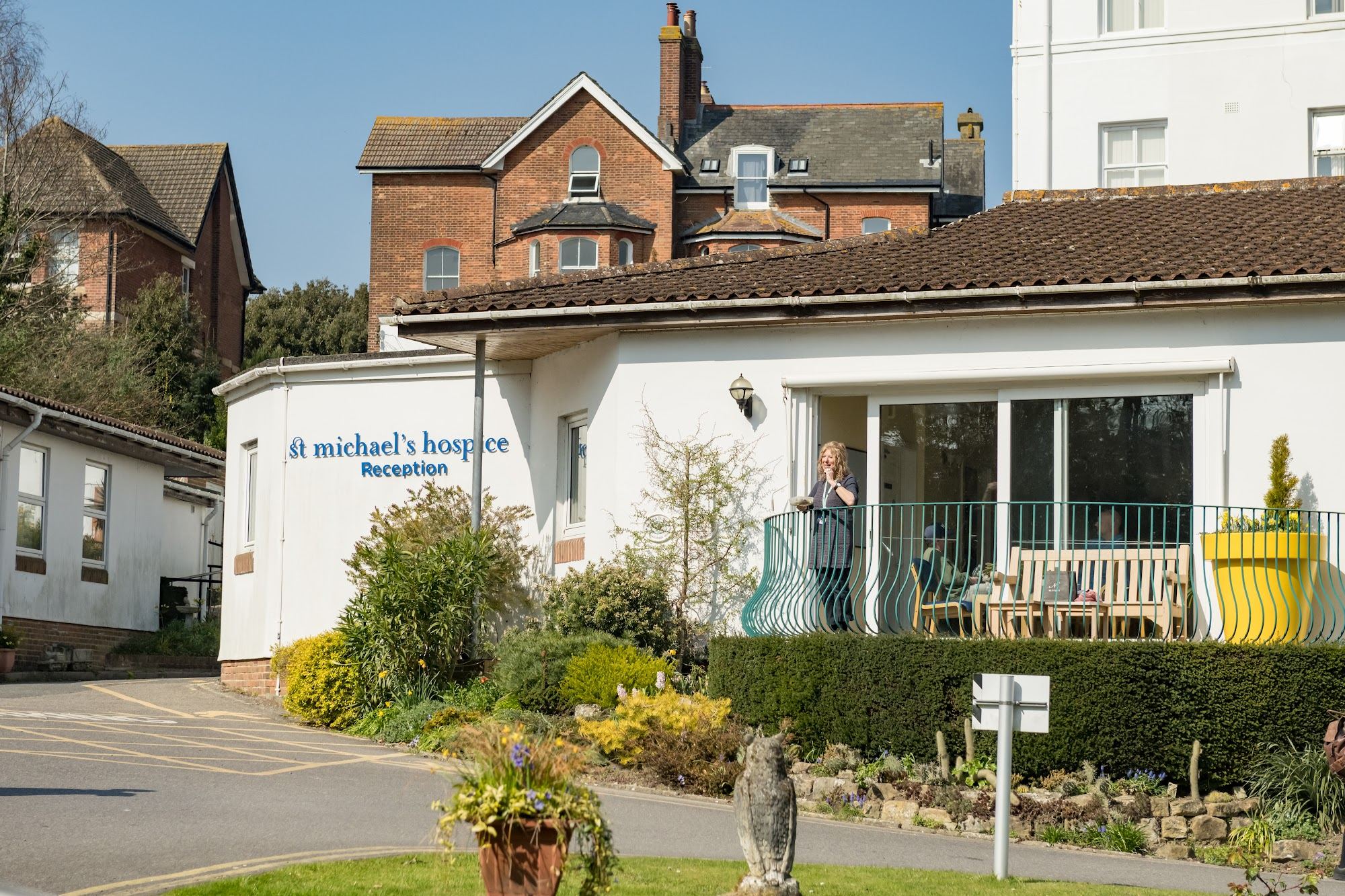
What to expect
Learn what happens when you’re referred to us, from your first conversation to the care you receive.
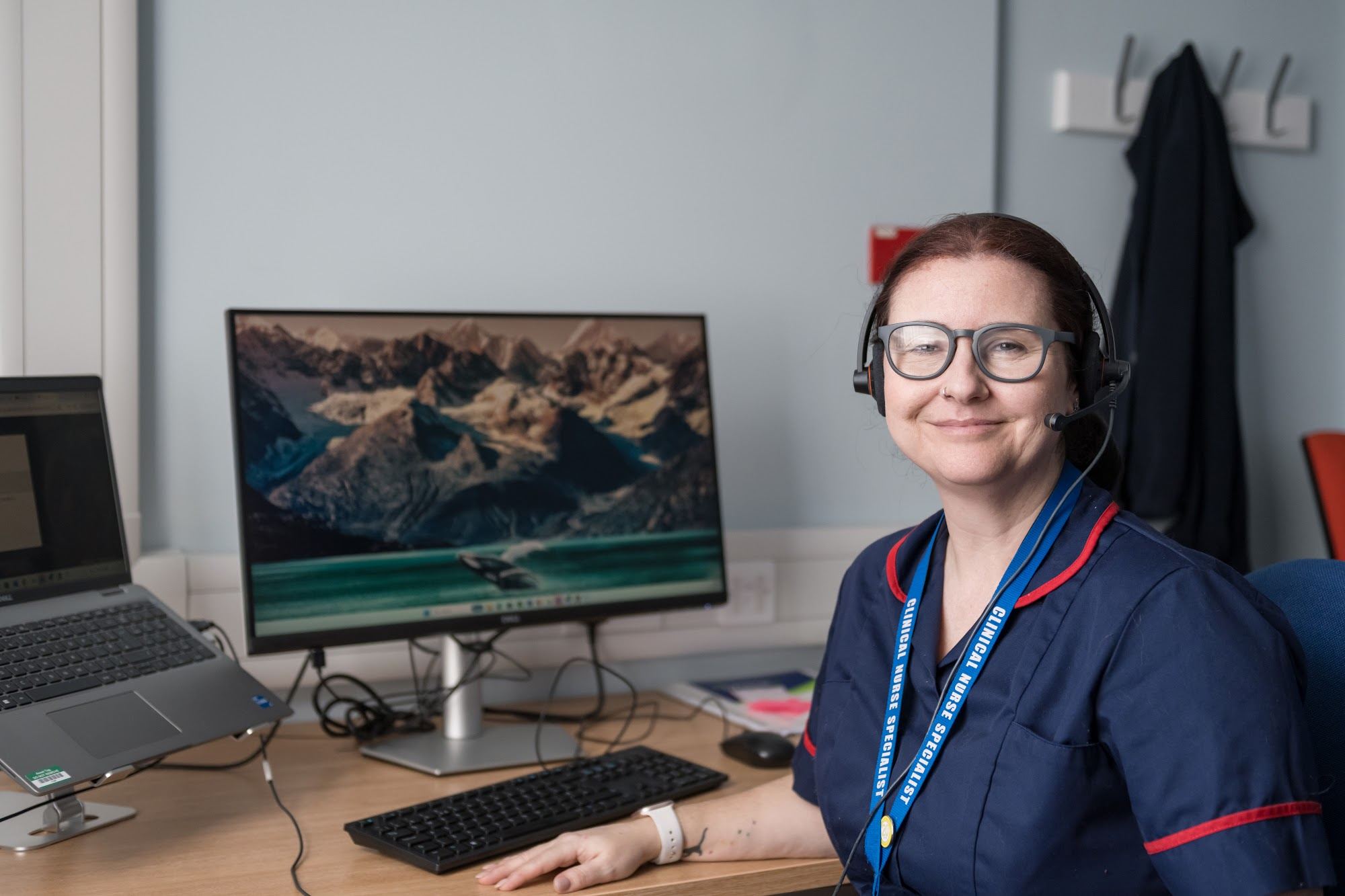
Urgent help: what to do
Who to contact if you need help quickly, day or night, and what to do in an emergency.
Worries we often hear
People often share these worries with us. Here’s what we’d like you to know.

Not just the last days
Many people use our services for months or even years. Palliative care can start from diagnosis, alongside other treatments.

Not just for cancer
We support adults with many different progressive, life-limiting illnesses, not just cancer.

Care at home too
Most of our care happens in people’s homes, over the phone and through outpatient appointments.

You have a say
We’ll involve you in decisions about your care and respect your wishes. You can involve the people close to you too.

Free of charge
All of our care and support is free. Local people and businesses help fund the care we give.

Support day and night
Hospice Line gives advice and reassurance 24 hours a day to patients known to us and the people caring for them.

Help for those close to you
We support family members, friends and carers too, including after someone has died.

Your GP stays involved
We work alongside your GP, hospital team and community nurses so your care is joined up.
Talking about what’s ahead
Some people want to know everything about their illness and what might happen. Others prefer to take things one step at a time. Our team will go at your pace and answer your questions honestly.
You may also want to think about advance care planning. This means thinking about and recording your wishes for your future care, so the people looking after you know what matters to you.
How to be referred
To access our patient services, ask your GP, hospital consultant, community nurse, Macmillan nurse or another Hospice service to refer you. You can contact us directly about bereavement services or carer support.

Frequently asked questions
Clear answers to some of the questions we’re asked most often.
No. We support adults living with a range of progressive, life-limiting illnesses, not just cancer.
You don’t need to decide this on your own. Talk to your GP or another healthcare professional involved in your care about whether a referral to the Hospice might be right for you.
No. All of our care and support is provided free of charge.
We provide care and support to adults aged 18 and over who live in Hastings and Rother and have a progressive, life-limiting illness. Support is also available for their family members, friends and carers, and the healthcare professionals involved in their care.
To access our patient services, ask your GP, hospital consultant, community nurse, specialist nurse or another Hospice service to refer you.
You can contact us directly about bereavement services or carer support.
No. Hospice care works alongside the care provided by a GP, hospital team and other health and care professionals. These teams work together to make sure care is coordinated and tailored to the patient’s needs.
Get hospice news and updates
Stories, events and news from St Michael’s Hospice delivered to your inbox.

Contact us
We’re here to help. Contact us by phone, email or post, or send us a message. For appointments or care-related enquiries, please call us.
Our accreditations and memberships